Understanding Natural Balance
Natural approaches to health and vitality are rooted in the understanding of how our bodies function and interact with their environment. This educational exploration examines the principles of balanced nutrition, the benefits of physical activity, and the importance of lifestyle factors such as sleep and stress management. These concepts provide a framework for understanding how various natural elements support the body's inherent processes.
The focus is on explanation rather than prescription—understanding how different components contribute to overall well-being without claiming to treat, cure, or promise specific outcomes.
Dietary Principles for Vitality
Nutrition forms the foundation of sustained energy and well-being. A balanced diet incorporates various food groups, each contributing different nutrients essential for bodily functions.
Key Food Groups:
- Vegetables: Rich in vitamins, minerals, and fiber, supporting digestive health and cellular function
- Fruits: Provide natural sugars, antioxidants, and various micronutrients for vitality
- Whole Grains: Offer sustained energy through complex carbohydrates and fiber
- Proteins: Essential building blocks for muscle, enzymes, and various bodily structures
- Healthy Fats: Support cognitive function, hormone production, and nutrient absorption
- Legumes: Provide plant-based proteins, fiber, and important minerals

The Role of Physical Activity
Physical activity is fundamental to sustained vitality. Moderate, consistent movement supports cardiovascular health, muscle strength, bone density, and mental well-being. Various forms of activity can be incorporated into daily life.
General Accessible Physical Activities:
- Walking—improves cardiovascular health and provides an opportunity for mental clarity
- Yoga—supports flexibility, balance, and stress reduction
- Cycling—builds cardiovascular strength and lower body muscle
- Swimming—provides full-body exercise with low joint impact
- Dancing—combines cardiovascular activity with enjoyment and coordination
- Gardening—offers light physical activity and connection to nature
- Strength training—supports muscle health and metabolic function
- Hiking—combines physical activity with natural environment exposure
The benefits of physical activity extend beyond physical health, including improved mood, better sleep quality, and enhanced cognitive function.
Hydration and Its Importance
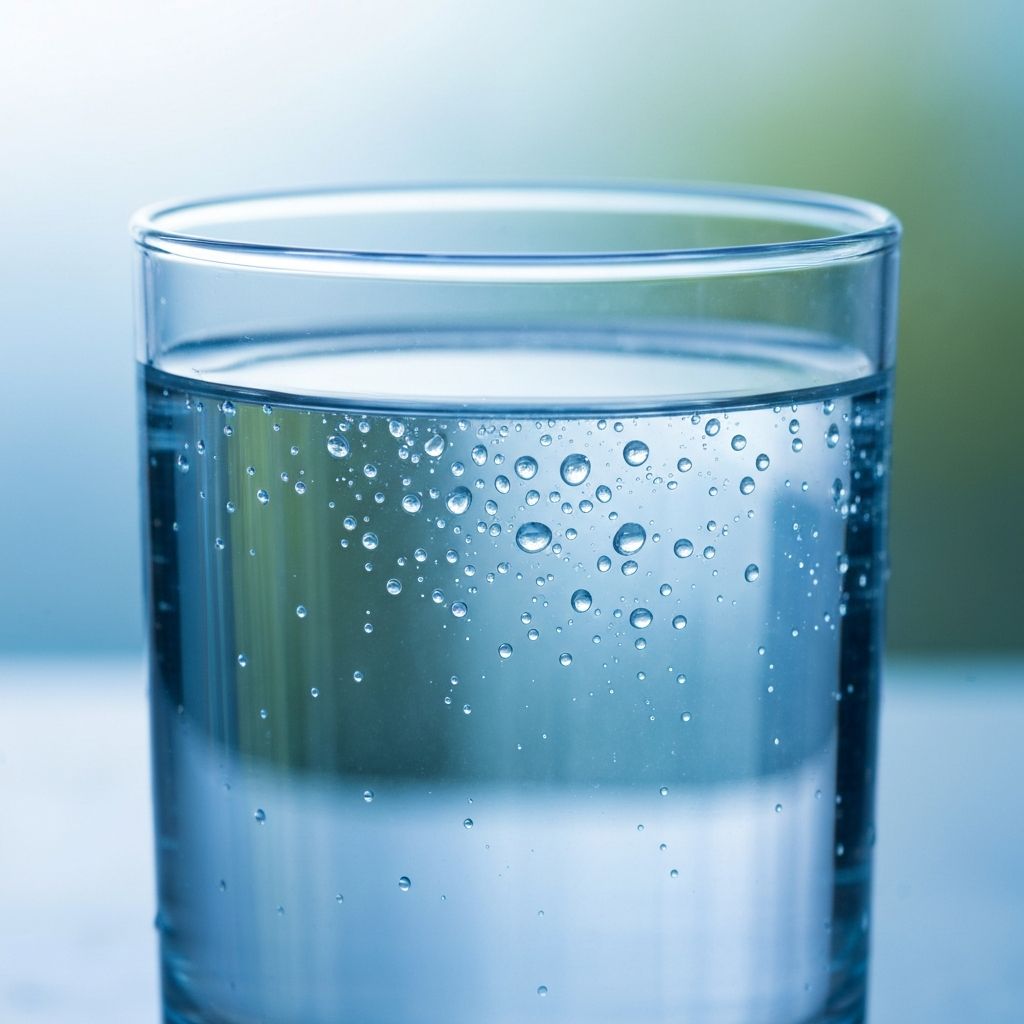
Water supports essential bodily functions including:
- Nutrient transportation
- Temperature regulation
- Waste elimination
- Joint lubrication
- Cognitive function
- Energy production
Mindfulness and Stress Management
Stress management and mental well-being are integral aspects of overall vitality. Various techniques support mental calm and emotional balance, which in turn influence physical health.
Meditation
Regular meditation practice has been shown to reduce stress hormones, improve focus, and support emotional regulation through consistent practice.
Breathing Exercises
Controlled breathing techniques activate the parasympathetic nervous system, promoting relaxation and reducing the physiological stress response.
Mindfulness
Present-moment awareness through mindfulness practices supports mental clarity, reduces anxiety, and improves overall well-being.
Nature Exposure
Time in natural environments has been associated with reduced stress, improved mood, and enhanced cognitive function.
Creative Expression
Engaging in creative activities supports emotional expression, stress reduction, and mental well-being.
Social Connection
Meaningful relationships and social interaction support mental health, resilience, and overall well-being.
Sleep Hygiene for Active Longevity
Practical Sleep Optimization Strategies:
- Maintain a consistent sleep schedule—going to bed and waking at similar times supports circadian rhythm stability
- Create a dark, cool sleeping environment—darkness promotes melatonin production
- Limit blue light exposure before bed—screens can interfere with sleep hormone production
- Avoid caffeine in late hours—caffeine's effects can persist for 6+ hours
- Exercise earlier in the day—physical activity improves sleep quality but timing matters
- Avoid large meals before sleep—digestion can interfere with sleep quality
- Establish a bedtime routine—consistent pre-sleep rituals support sleep onset
- Manage stress levels—relaxation techniques improve sleep initiation

Exploring Natural Botanicals
Throughout history, various herbs and spices have been used in traditional contexts for their properties and potential benefits. This section provides educational information about common botanicals and their historical uses, without making medical claims.
Ginger
Traditionally used for digestive support and general wellness. Contains compounds studied for their anti-inflammatory properties in general health contexts.
Turmeric
Used in traditional medicine systems for centuries. Contains curcumin, studied for potential benefits in general wellness and cellular health.
Green Tea
Rich in antioxidants. Historically used for its potential to support general vitality and contains polyphenols studied in wellness research.
Basil
Used in culinary and traditional contexts. Studied for its antioxidant and anti-inflammatory properties in general wellness applications.
Garlic
A staple in traditional medicine and cuisine. Contains compounds researched for their potential role in cardiovascular and general health support.
Cinnamon
Traditionally valued for its flavor and potential health properties. Studied for its effect on metabolic processes and general wellness.
Sustainable Lifestyle Choices
Local and Seasonal Eating
Consuming locally sourced, seasonal foods supports both personal nutrition and environmental sustainability, promoting awareness of food systems.
Reducing Food Waste
Mindful consumption and creative use of ingredients reduces waste while supporting resource conservation and economic sustainability.
Plant-Based Emphasis
Incorporating more plant-based foods supports both personal health and environmental sustainability through reduced resource consumption.
Natural Movement
Walking, cycling, or other non-motorized transportation combines physical activity with environmental benefits.
Connection to Nature
Regular outdoor activities support mental well-being while fostering appreciation for environmental conservation.
Mindful Consumption
Conscious purchasing decisions that consider environmental impact support sustainable living practices.
Culinary Approaches to Well-being

Cooking with whole, unprocessed foods forms the foundation of nutritional well-being. This approach focuses on understanding how different cooking methods preserve nutrients and create flavorful meals.
Whole Food Cooking Principles:
- Minimal Processing: Whole foods retain maximum nutrient content and natural compounds
- Preservation Methods: Steaming, roasting, and sautéing preserve heat-sensitive nutrients
- Flavor Development: Natural herbs and spices provide flavor while contributing beneficial compounds
- Seasonal Ingredients: Using seasonal produce ensures optimal nutrient density and freshness
- Variety: Different colored vegetables and foods provide diverse nutrient profiles
- Preparation Awareness: Understanding how preparation methods affect nutritional value
The Science Behind Natural Processes
Understanding how the body utilizes nutrients and maintains balance provides context for natural health approaches. This educational overview explores fundamental bodily processes without making medical claims.
Key Bodily Functions:
- Metabolism: The body's process of converting nutrients into energy and building blocks for cellular function
- Digestion: The breakdown and absorption of nutrients from food through coordinated biological processes
- Cellular Renewal: Continuous replacement of cells supported by adequate nutrition and rest
- Immune Function: The body's defense mechanisms supported by various nutrients and lifestyle factors
- Hormonal Balance: Regulation of bodily processes through endocrine system signaling
- Detoxification: Natural elimination of waste products through liver and kidney function